August 25, 2026
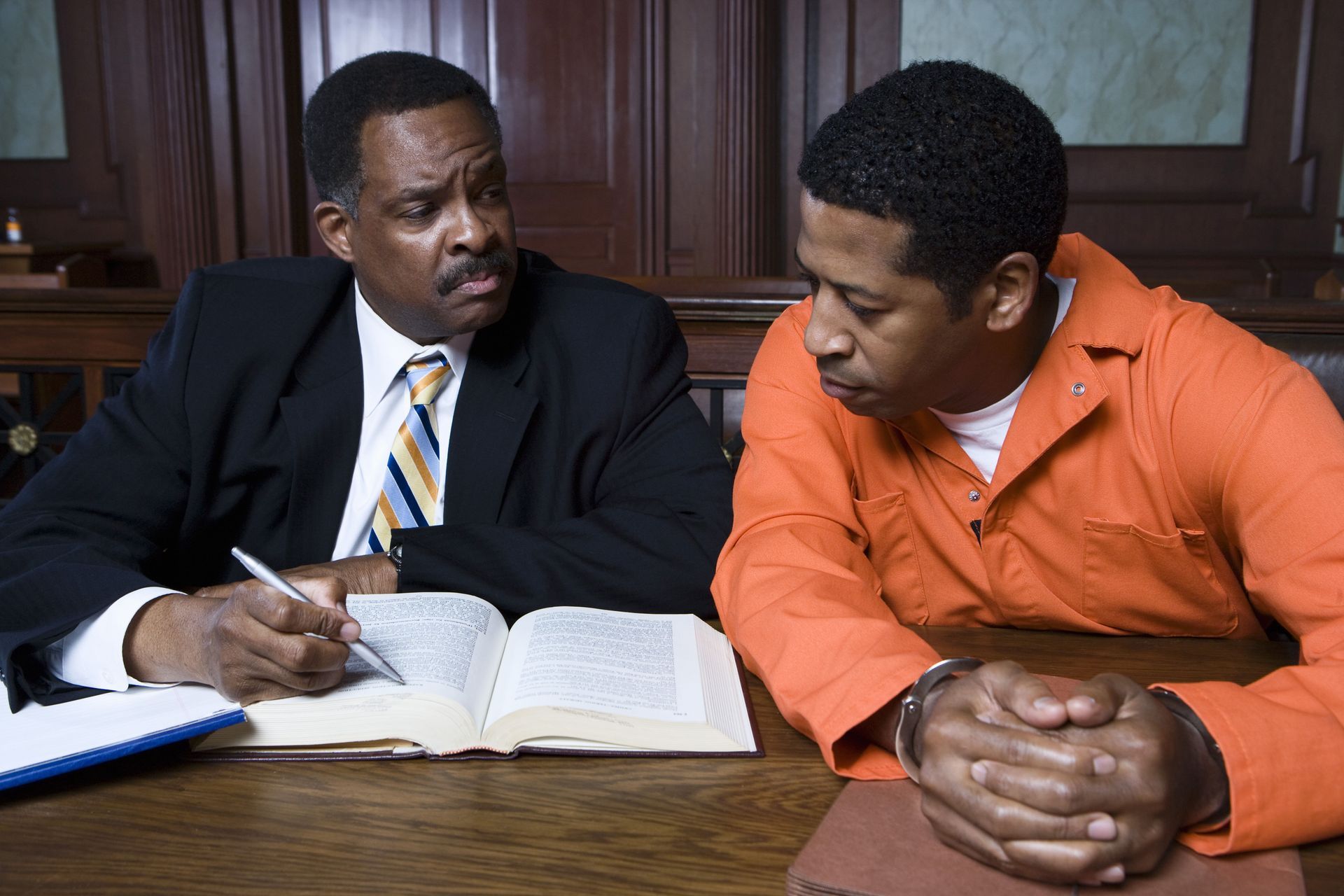
Facing a criminal trial involving severe charges represents one of the most challenging experiences a person can navigate. When accused of a serious offense, the legal proceedings can quickly feel overwhelming, fast-paced, and filled with technical terminology. Understanding each phase of the courtroom journey helps reduce anxiety and allows defendants to actively participate in their own defense. From initial pre-trial hearings to jury selection and final verdicts, the justice system follows a structured series of steps designed to evaluate evidence fairly. Partnering with a skilled felony attorney ensures that your rights remain protected at every turn while building a strategic defense tailored to your unique case circumstances.
Understanding Pre-Trial Motions and Final Preparations
Long before a trial begins in front of a jury, substantial legal work occurs during the pre-trial phase. Attorneys on both sides file formal motions to establish what evidence and testimony can be presented in court. During this period, your felony attorney may challenge illegally obtained evidence, request changes in venue, or file motions to suppress statements made without proper constitutional warnings. These preliminary arguments are critical because excluding key prosecution evidence can dramatically alter the strength of the state's case. Thorough pre-trial preparation sets the stage for everything that follows, ensuring that the defense enters the courtroom fully organized and legally shielded against unfair procedural advantages.
Navigating Jury Selection and the Voir Dire Process
The first official stage of a trial involves selecting the individuals who will weigh the evidence and determine the verdict. Known as voir dire, this process allows prosecutors and defense lawyers to question potential jurors to uncover hidden biases or preconceptions. A seasoned felony attorney closely monitors juror responses, evaluating tone, body language, and background experiences to ensure a fair panel. Counsel can challenge specific jurors for cause if clear bias exists, or use a limited number of peremptory challenges to dismiss prospective jurors without stating a reason. Assembling an impartial jury is foundational to receiving a fair trial, making this phase a vital strategic priority.
Delivering Opening Statements to Set the Narrative
Once the jury is sworn in, both legal teams present opening statements to outline their main arguments and evidence. The prosecution goes first, providing a roadmap of how they intend to prove the guilt of the accused beyond a reasonable doubt. Following the state, your felony attorney presents a compelling counter-narrative, highlighting weaknesses in the prosecution's story and introducing the core theory of defense. Opening statements do not count as formal evidence; instead, they serve as an essential introduction that shapes how jurors process witness testimonies and exhibits throughout the trial. Creating a memorable, clear opening helps keep jurors focused on key defense arguments.
Examining Prosecution Witnesses and Presenting Evidence
Because the burden of proof rests entirely on the government, the prosecution presents its case first by calling witnesses and introducing physical evidence. Prosecutor examination aims to establish the elements of the alleged crime and link the defendant directly to the event. Understanding the broader context of criminal statistics helps highlight the intense focus surrounding these court proceedings. According to Statista, there are over 1.2 million violent crimes committed in the US each year. During direct examination, your felony attorney carefully listens for objectionable questions and prepares for cross-examination. Exposing inconsistencies, memory gaps, or motives to lie among prosecution witnesses can significantly weaken the state's standing before the jury.
Conducting Cross-Examination to Highlight Reasonable Doubt
Cross-examination provides the defense with its strongest tool for testing the credibility of prosecution witnesses and challenging physical evidence. Through targeted, precise questioning, a knowledgeable felony attorney uncovers contradictions, potential biases, or flaws in police investigation techniques. Whether questioning eyewitness reliability, challenging forensic collection methods, or probing expert witness credentials, effective cross-examination creates reasonable doubt in the minds of jurors. This phase requires quick thinking and deep familiarity with court procedures, as uncovering a single major flaw in witness testimony can reshape the momentum of the entire trial in favor of the defense.
Presenting the Defense Case and Supporting Evidence
After the prosecution finishes presenting its case, the defense has the opportunity to introduce its own evidence, experts, and witnesses. While the accused is never required to prove innocence or present evidence, doing so often provides context that refutes the state's claims. Your felony attorney may call character witnesses, present alibi documentation, or introduce independent expert testimony to challenge forensic findings. The decision of whether the defendant should testify in their own defense is made carefully, weighing the benefits of sharing a personal account against the risks of rigorous prosecution cross-examination. A structured defense strategy presents compelling evidence that directly counters the prosecution's theory.
Delivering Closing Arguments to Summarize the Case
After all evidence and witness testimonies have been introduced, both sides deliver closing arguments to summarize their positions before jury deliberation. The prosecution attempts to tie all evidence together to argue that guilt has been proven beyond a reasonable doubt. In response, your felony attorney delivers a persuasive closing argument, tying together cross-examination victories, highlighting missing evidence, and reminding jurors of the high legal burden required for conviction. Closing statements offer the final opportunity to speak directly to the jury, emphasizing key constitutional protections and ensuring that the central defense narrative remains fresh in jurors' minds as they prepare to deliberate.
Understanding Jury Instructions and the Deliberation Process
Before jurors retire to the deliberation room, the judge reads formal legal instructions that outline the exact laws applicable to the case. These instructions define the elements of the charged offenses, explain the meaning of reasonable doubt, and clarify how evidence should be evaluated. Both legal teams consult with the judge prior to this step to agree upon the specific wording of these instructions. A skilled felony attorney advocates for precise, favorable jury instructions that accurately reflect defense theories. Once instructed, the jury is sequestered in private to discuss the case, weigh the facts, and work toward reaching a unanimous decision on each charge.
Receiving the Verdict and Understanding Potential Outcomes
When the jury reaches a unanimous decision, all parties return to the courtroom to hear the verdict read aloud by the court clerk. An acquittal on all charges results in the immediate release of the defendant, ending the criminal proceedings. Conversely, a guilty verdict shifts the focus toward post-trial motions and upcoming sentencing hearings. In some instances, a jury cannot reach a unanimous agreement, resulting in a mistrial due to a hung jury. During these moments, having guidance from an experienced felony attorney helps defendants understand what each potential outcome means and what immediate steps must be taken next.
Navigating Post-Trial Procedures and Appeals Options
The trial process does not necessarily end when a verdict is delivered, as post-trial options exist to review legal errors or procedural missteps. If a conviction occurs, defense teams can file post-trial motions requesting a new trial or challenging the sufficiency of the evidence presented. Additionally, your felony attorney can initiate the formal appeals process, raising legal errors committed during pre-trial hearings, jury selection, or evidentiary rulings. Appellate courts review written briefs and transcripts to ensure that the trial was conducted fairly according to constitutional standards. Exploring these post-conviction avenues provides ongoing protection and opportunities for legal relief.
Navigating a serious criminal trial requires careful preparation, deep legal knowledge, and an unwavering commitment to protecting individual rights. Every stage of the process, from pre-trial motions through closing arguments, plays a crucial role in shaping the final outcome. Working alongside a dedicated felony attorney ensures that your voice is heard, evidence is properly scrutinized, and your constitutional rights are defended throughout every courtroom proceeding. If you or a loved one are facing serious charges and need strong legal guidance, reach out to Michael J Englert, Attorney at Law to discuss your case and build a comprehensive defense strategy tailored to your situation.